Inside Wall Cladding: Best Materials and Costs for Interior Spaces

Inside Wall Cladding: Best Materials and Costs for Interior Spaces

Walls
By Contractors.com Team February 23, 2026

If your interior feels flat or plain, cladding can change the whole vibe. Inside wall cladding is more than just a design trend. It's a practical way to protect your walls while adding personality. More and more homeowners prefer choosing cladding for a simple blend of style and function.

Inside wall cladding shields walls from everyday damage and moisture, while also enhancing a room’s atmosphere. It can add warmth, depth, and style to any area, turning plain walls into eye-catching features. Certain types also help with soundproofing and temperature control.

​In our article, we’ll break down the benefits of wall cladding, explore popular materials, show which rooms get the most use out of it, touch on costs, and give tips on whether you can do it yourself or should call a professional.

None

What Is Inside Wall Cladding? 

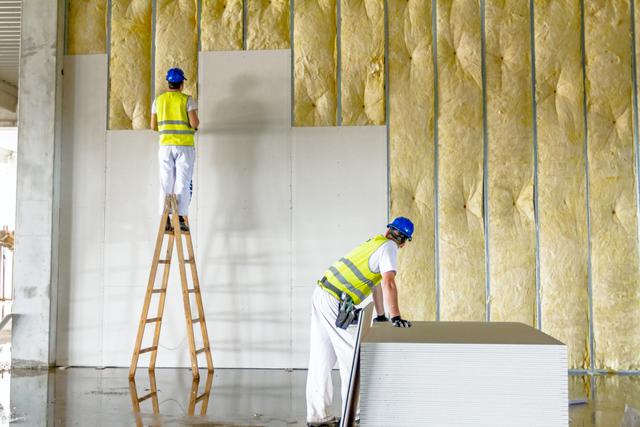
Inside wall cladding is a layer of material applied over the wall’s structure. It can include wood panels, PVC boards, metal sheets, or stone finishes. Some types have hidden backing or insulation for extra protection and durability.

​Unlike drywall, cladding adds both strength and texture to your wall. Unlike paints, cladding covers imperfections and resists scratches or moisture. Wall cladding serves both practical and aesthetic purposes.

This type of wall covering creates a more refined, sleek appearance, featuring varied textures and patterns. It also protects walls from everyday wear and tear, improves insulation, and soundproofing. Cladding is commonly used in living rooms, bedrooms, kitchens, and hallways, in areas where walls take heavy use or just need a decorative touch.

​Let’s dive deeper and explore the benefits of inside wall cladding and why people choose it.

Benefits of Inside Wall Cladding 

For decades, homeowners and designers have used inside wall cladding to protect surfaces and make interiors more comfortable.

  • Strong and long-lasting walls: Wall cladding adds an extra layer, helping your walls withstand scratches, dents, and everyday bumps. This makes walls more durable and reduces the need for frequent repairs or repainting, especially in high-traffic areas like hallways and living rooms.
  • Fights moisture and mold: Many types of cladding are designed to resist moisture and dampness, helping prevent mold and mildew from forming. This is especially useful in areas prone to humidity, such as kitchens, bathrooms, and laundry rooms, helping keep walls healthier and easier to maintain.
  • Better insulation and quieter rooms: Some cladding types can improve thermal insulation, keeping rooms warmer in winter and cooler in summer. It can also help reduce noise between rooms, making the home more comfortable and peaceful.
  • Stylish and versatile design: Cladding adds texture, color, and pattern to walls, enabling you to create modern, elegant designs. It gives a polished look, upgrading the appearance of any room.

Popular Inside Wall Cladding Materials 

Interior wall cladding can significantly change a room’s ambiance, but its lifespan and performance depend on the material. Some options are tough and easy to care for, while others can wear out more quickly. Before making your final choice, think about what best fits your space and lifestyle.

Wood Wall Cladding

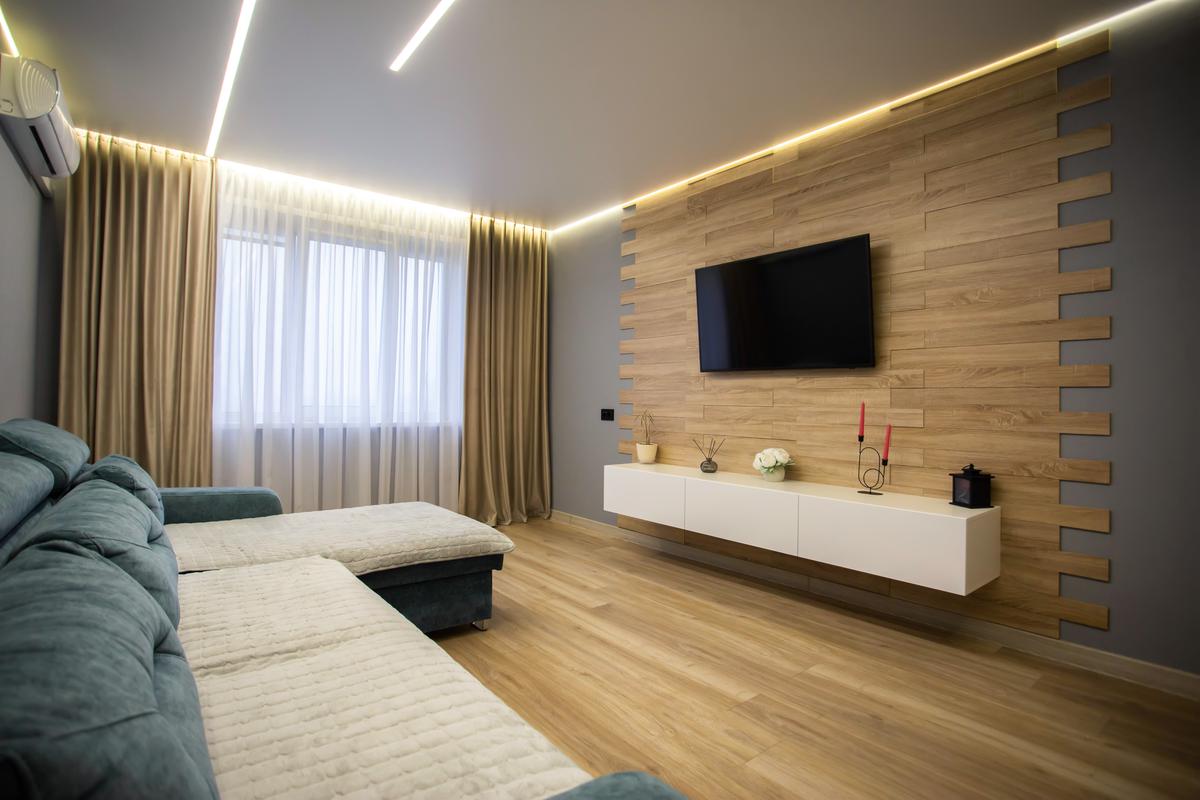
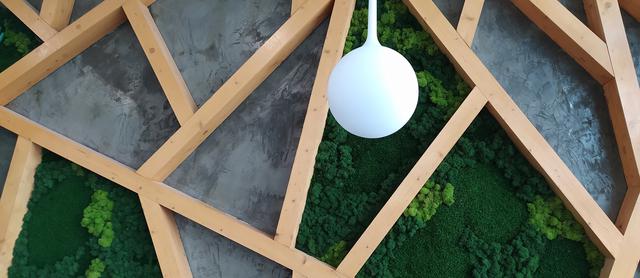
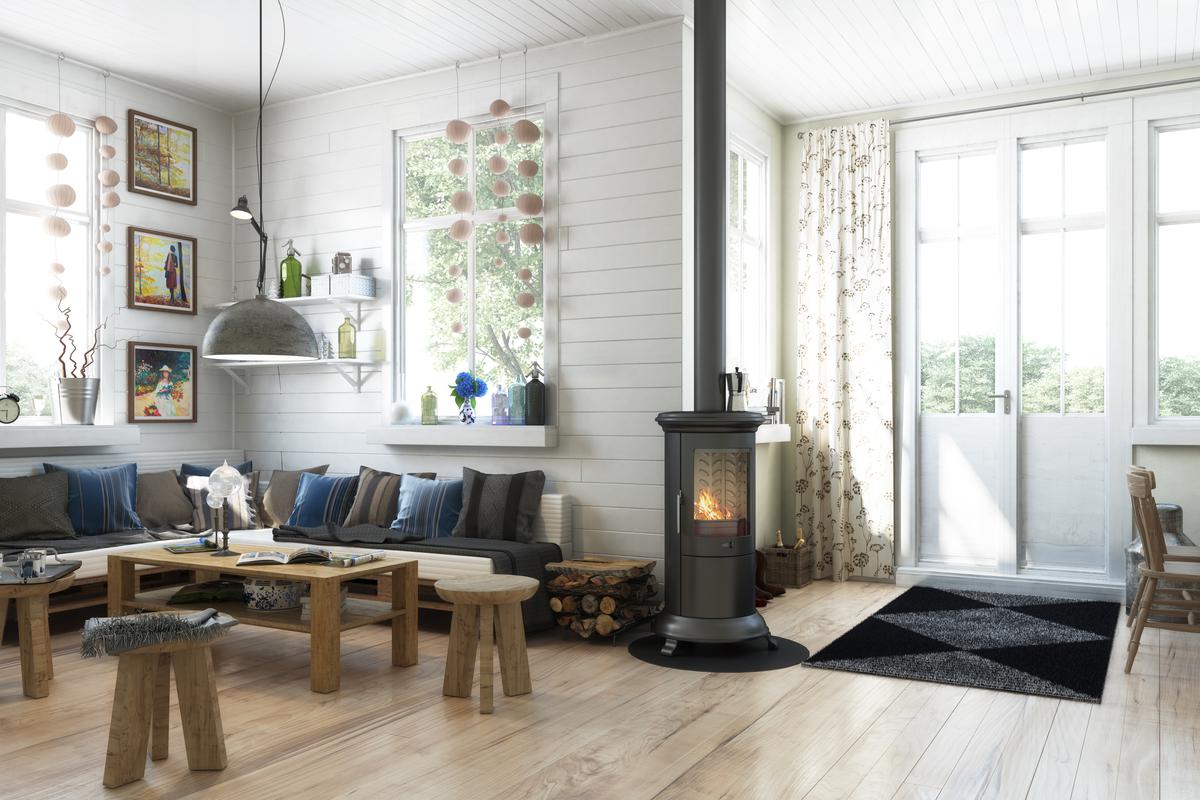
Thanks to its natural appeal, wood cladding is one of the most popular choices for interior walls. Suiting both modern and classic designs, it provides a cozy and timeless feel without overwhelming the space.

You can have wood wall cladding in living rooms, bedrooms, home offices, and dining areas. Wood can last for years in dry, well-ventilated spaces. Wood cladding doesn’t need high maintenance, just occasional cleaning and resealing. Costs can vary by wood type.

PVC and Composite Wall Panels

Known for their water resistance and ease of maintenance, PVC and composite wall panels are used in areas prone to moisture. A combination of durability and practicality, this interior wall cladding is a smart option for frequent cleaning.

They handle moisture without swelling or damage, making them particularly well-suited for bathrooms, kitchens, and basements. Another advantage of these materials is that their installation is simple and quick, featuring interlocking systems or adhesive backing. They offer reduced labor time and costs.

Stone and Brick Veneer 

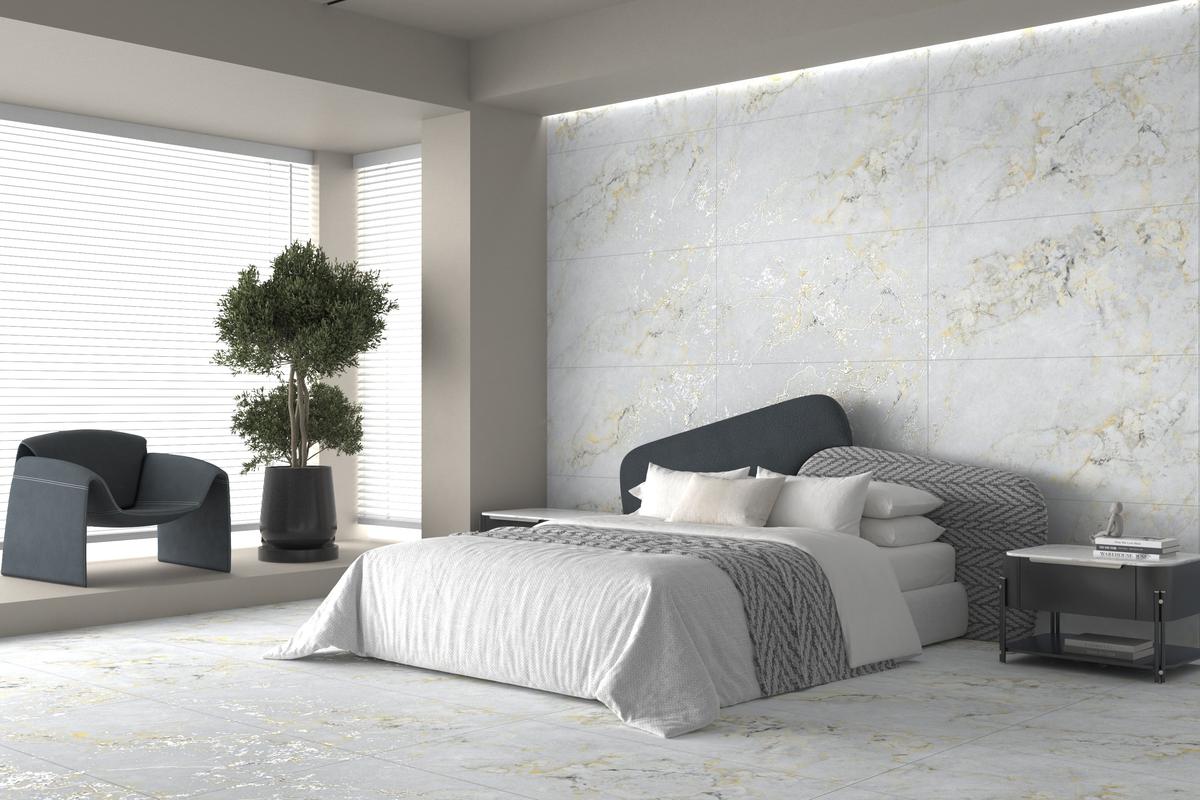
If you prefer a high-end, refined look for your space, you should definitely choose stone or brick veneer. This cladding instantly changes the mood of the room, making the walls well-crafted and solid. They are ideal for lounges, dining spaces, or entryways.

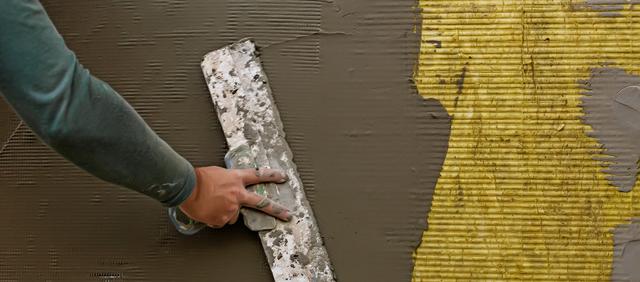
Professionals should install stone and brick veneer as they are heavy and often require wall reinforcement. While the upfront cost is higher than that of many cladding options, veneer is very durable and holds its appearance for decades with minimal maintenance.

MDF and Laminate Wall Panels

These budget-friendly panels make it easy to update your walls with a clean, polished look. Their design versatility allows you to match almost any interior style. Coming in many colors and textures, they are ideal for bedrooms, living rooms, and offices.

MDF and laminate wall panels are fairly durable but have limitations. Moisture and scratches may affect them over time. Keeping them in dry, low-traffic areas and basic care helps them last longer.
None

Fabric and Acoustic Wall Panels

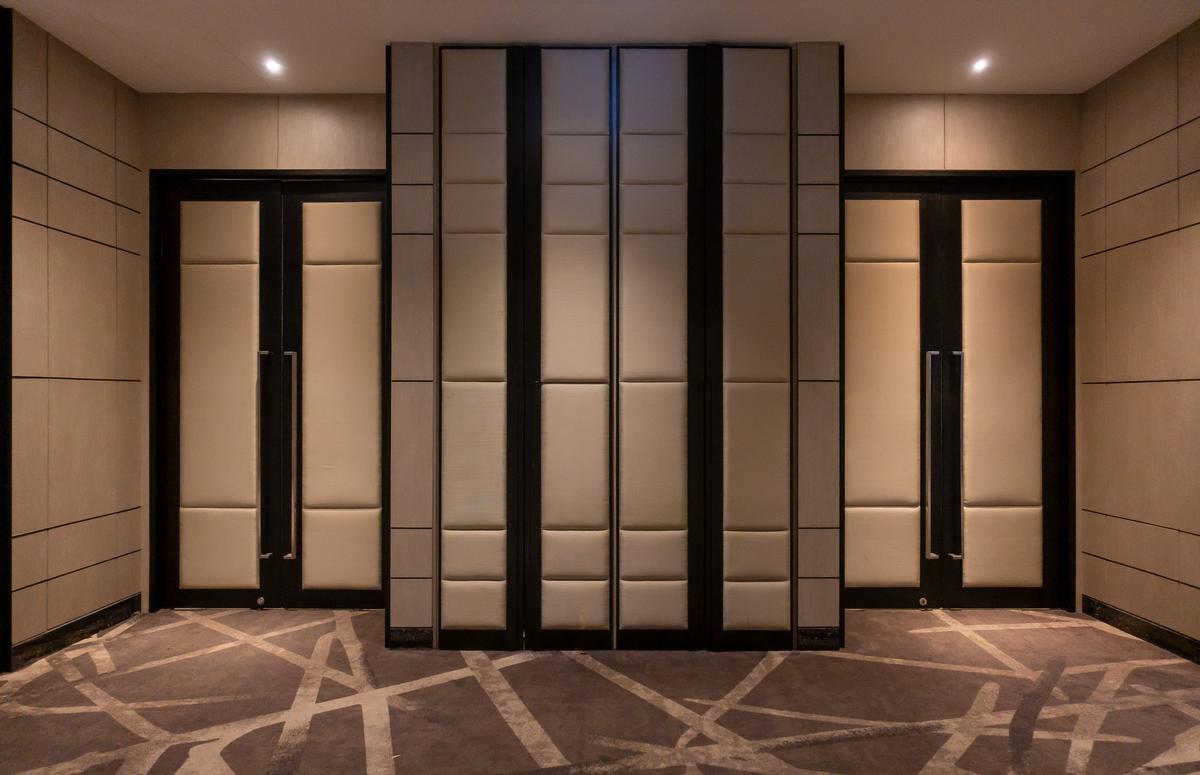
Due to their sound-absorbing features, fabric and acoustic wall panels reduce echoes and background noise. Besides, they add texture and warmth to walls, making the space calm and comfortable.

These interior wall panels are best suited for home offices, media rooms, or music spaces where noise control is important. Cleaning is simple. Regular dusting or gentle vacuuming is enough to keep them fresh. Direct water or strong cleaning products should be avoided to protect the fabric and backing.

None

Best Rooms for Inside Wall Cladding 

As mentioned before, using internal wall cladding in your home is both practical and decorative. Each corner of your home can benefit from wall cladding in its own way. In living rooms, it can create a striking feature wall. Wood, stone, or textured panels make the space welcoming and cozy.

Kitchens and dining areas benefit differently. Cladding protects walls from spills, splashes, and daily wear while keeping them stylish. Choosing materials that are easy to clean makes these rooms functional and attractive. Additionally, the interior wall cladding adds a modern touch, tying the whole room together.

Bathrooms and laundry areas require panels that can handle moisture. PVC, composite, or treated wood are ideal, as they protect walls and are easy to clean. Even the often-forgotten areas like hallways, stairs, and basements can shine with decorative wall cladding. Adding subtle panels or textures can make these simple places look planned and inviting.

Cost of Inside Wall Cladding 

If you’re considering wall cladding, the cost depends on the material. MDF or laminate won’t break the bank, while real wood, stone, or brick panels will run you a little extra.

Installation can add a bit to the cost. Keep in mind that some panels are easy enough to install yourself, but heavier or textured options usually require a professional. If you call in a pro, it’ll also raise the price.

Maintenance is something people often forget. Some panels, like PVC or laminate, mainly take care of themselves, while others, such as natural wood or stone, need a little upkeep to stay looking good. Keeping this in mind helps you see the real cost over time.

DIY vs Professional Installation 

DIY or hire a professional?

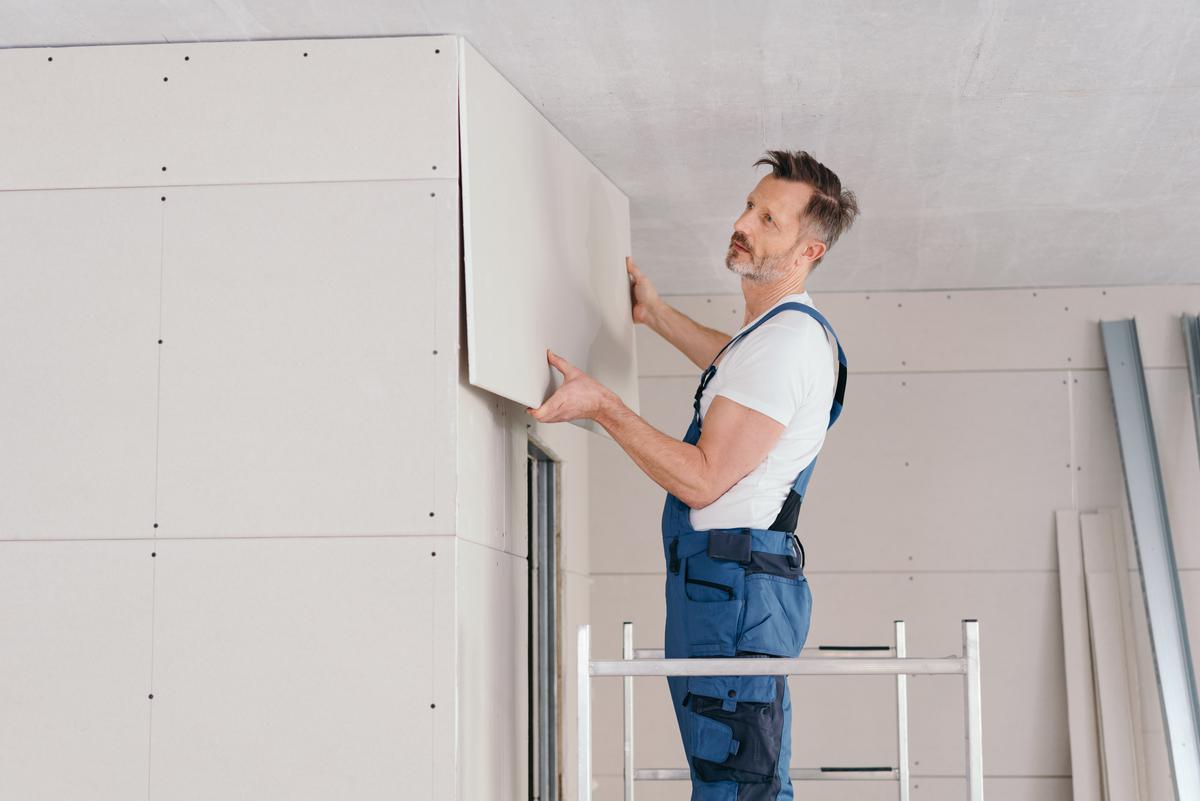
It mostly depends on what kind of panels you’re working with. Some materials, like thin MDF, laminate, or PVC, are lightweight and easy to handle. With a few tools and a little patience, you can usually get a nice finish on your own.

But heavier or more complex panels, natural wood, stone, or brick veneer, are trickier. A professional can ensure everything lines up correctly and safely, saving you from costly mistakes.

Think also about safety and building rules. Moisture-prone areas, such as bathrooms or basements, sometimes require special panels or adhesives. Following these steps keeps your walls safe and ensures the installation lasts for years.

None

Is Inside Wall Cladding Worth It?

Inside wall cladding is an easy way to upgrade your interiors. It shields walls from damage, adds texture, and improves comfort with soundproofing or insulation. You can choose from a wide range of materials to fit different styles and budgets.

From living rooms to bathrooms, kitchens, or hallways, cladding works in almost any space. Easy to maintain and long-lasting, it’s a simple way to make your walls look good. Whether you install it yourself or hire a professional, wall cladding enhances your home's real value.

Written by
Contractors.com Team

Written by Contractors.com Team

Welcome to the Contractors.com Team, a group of passionate individuals dedicated to helping homeowners achieve their dream home through the best-in-class service providers and inspiring content.


We believe that every homeowner deserves to have a home that they love, and we're committed to making that a reality. Whether you're looking to remodel your kitchen, renovate your bathroom, or build your dream home from scratch, we've got you covered.


When it comes to creating content, we take a multi-faceted approach. We gather insider tips from experts in the home service industry, and do our own thorough research to write informative and engaging articles that are tailored to our readers' needs. At the same time, we harness the power of A.I. and GPT-3 technologies to generate titles, headlines, and even entire articles that are optimized for SEO and designed to provide value to our readers.


We're committed to providing the best possible service to our readers, and we're always looking for ways to improve. Whether you're a homeowner looking for inspiration or a service provider looking to join our network, we're here to help you achieve your goals.

comments