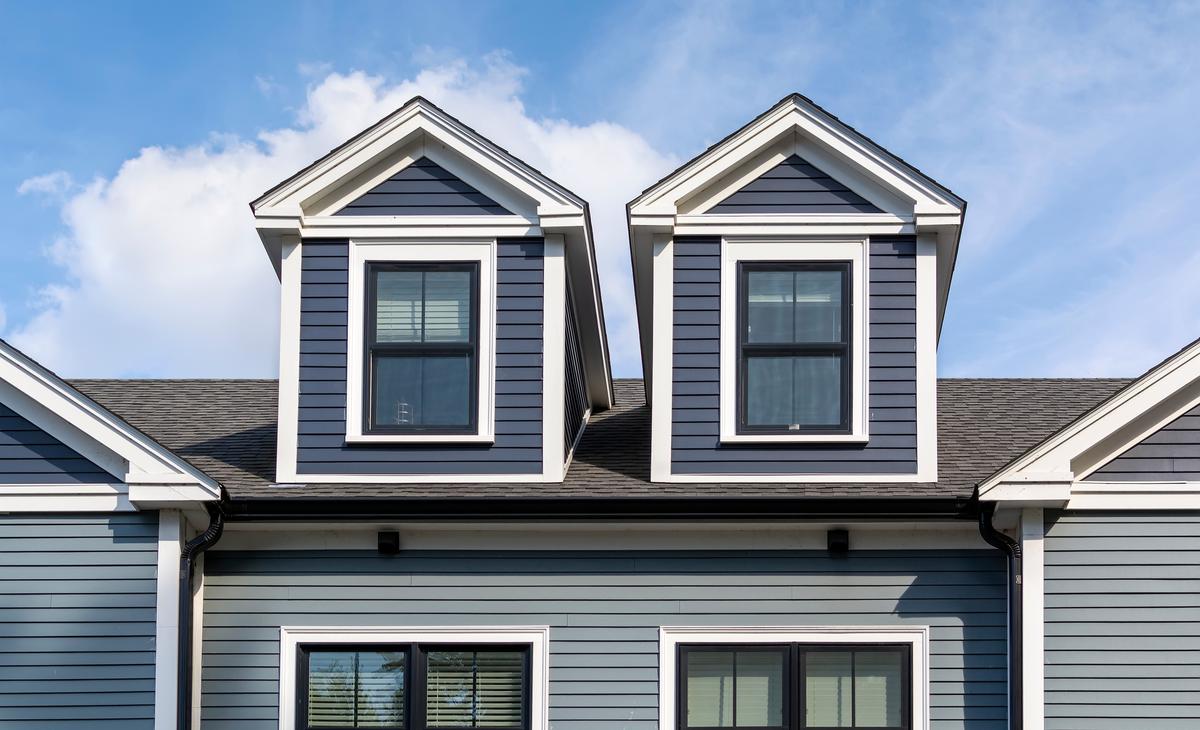
If you have ever walked into a room that felt like a sauna in summer or an icebox in winter, you have probably wondered how much your house windows are to blame. The truth is, they are key players in how hot or cold your home can feel throughout the year. In this case, upgrading your windows is one of the fastest and most effective ways to regain control of your home’s temperature and stop fighting the thermostat.
Windows
By
Contractors.com Team
January 16, 2026
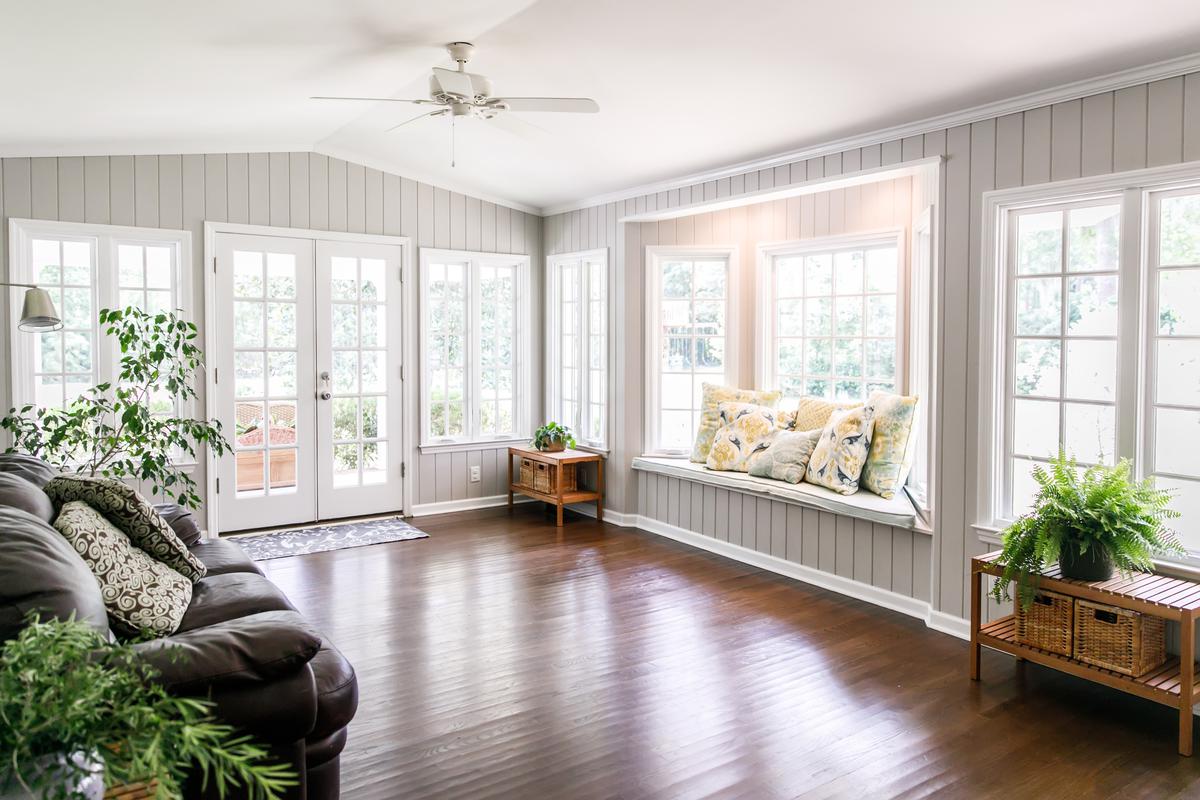
How Window Quality and Design Affect Home Temperature
Number of Glass Panes and Insulation Power
Panes play a role in temperature control. For example, single-pane windows offer almost no resistance to heat flow. Double-pane cuts heat transfer in half, and triple pane takes it even further, great for extreme climates.
Gas Fill Between the Panes
The gap between the panes of glass is not merely filled with air. The highest-quality windows use argon or krypton gas, which transfers heat much more slowly than regular air. This simple upgrade functions as invisible insulation, helping to maintain a consistent temperature in your home.
Low-E Coatings and Heat Reflection
High-performance windows feature a thin, almost undetectable low-E coating that reflects heat. During the summer, it prevents the sun’s heat from entering your home; in the winter, it retains the warmth inside. This feature is among the smartest options available.
Frame Materials and Thermal Performance
The frame is just as important as the glass. Cheap aluminum transfers heat like a radiator. Modern vinyl, fiberglass, and composite frames featuring integrated thermal breaks prevent that energy loss and help to keep your home temperature stable.
Types of Windows for Home and What That Means for Temperature
Let's look into the different types of windows for your home.
Single - Pane Windows
The old-school glass that's still found in some older homes is quite ineffective at maintaining temperature as heat enters during summer and escapes all winter. If your home has single-pane windows, replacing the glass should be your top priority.
Double-Pane Windows
Double layers of glass with a sealed gap in between. This is the most common upgrade today. It reduces heat loss by 50% compared to single-pane windows and keeps rooms more comfortable.
Triple-Pane Windows
This is the best choice for cold climates or noisy areas. It adds extra weight and cost, but if you're bothered by winter drafts or summer heat waves, this is the ideal option.
Low-E Coated Windows
Not a separate “type,” but an essential upgrade. The transparent coating reflects heat back to its source. Low-E glazing remains the standard for energy-efficient windows today.
Casement Windows
They swing open like a door and seal very tightly when shut. Among the top choices for managing home temperature, since almost no air escapes through the edges.
Awning Windows
Similar to casement windows, they create a tight seal and can be left open during rain. They offer excellent temperature control and are ideal for winter ventilation without allowing heat to escape.
Double-Hung and Single-Hung Windows
Traditional vertical sliding windows. They are convenient and widely used, but the seals tend to deteriorate over time, leading to greater air leakage than with casements or awnings.
Sliding Windows
Work like a patio door. These windows are easy to use and offer expansive views, but their track design often results in greater air leakage than crank-style windows. Opt for these when prioritizing aesthetics and size over insulation from the cold.
Fixed Windows
They do not open at all– just solid glass. There are no moving parts, so these windows are excellent at stopping heat transfer and air leaks. They are also ideal for large living room views where ventilation is not needed.
Bay or Bow Windows
Stylish extensions that add space and light. In terms of temperature performance, they match the type of glass and frame selected, but because they protrude into the weather, they can gain or lose heat more quickly unless they are made of high-quality triple-pane glass with sturdy frames.
Windows, Home Energy Costs, and Long-Term Savings
According to the U.S. Department of Energy, 25–30% of a home’s heating and cooling energy is lost through its windows. Older homes with single-pane or poorly sealed windows experience an even higher share. These numbers show how closely windows, energy costs, and long-term savings go hand in hand.
Consider switching to high-quality windows (well-insulated, properly sealed, and triple-glazed) to reduce that loss. Homes that upgrade to modern, Energy-Star certified windows can save about $450 annually on energy bills. In the end, it’s not just about comfort, but also lower heating and cooling bills, less wasted energy, and substantial savings that can offset the cost of the upgrade.
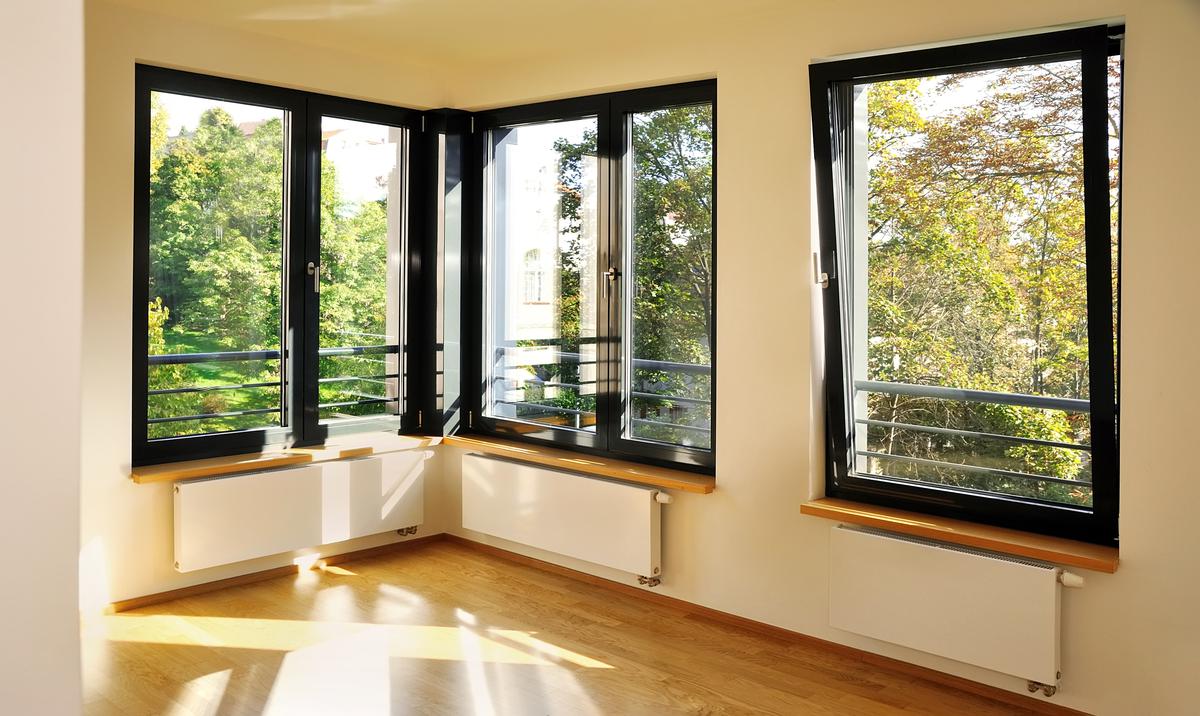
When to Consider Home Window Replacement – Choosing the Best House Windows
- You feel drafts or notice a spike in your energy bills.
- Windows are cracked, foggy, or otherwise damaged.
- Window sticks are difficult to open or have rotting frames, usually a sign they’re beyond repair.
- You live in an older home with single‑pane windows or windows older than 20 years.
Additional Considerations - Beyond Just the Window Itself
When upgrading your windows, think beyond just the glass. Options such as home window tinting can provide more protection against glare, harmful UV rays, and excessive heat, reducing the load on your cooling system.
Plus, tinting improves privacy without sacrificing natural light - a simple yet effective upgrade. Don’t forget to focus on the window frames as well. The material of the frame, whether it’s vinyl, wood, fiberglass, or aluminum, plays a key role in insulation, durability, and maintenance.
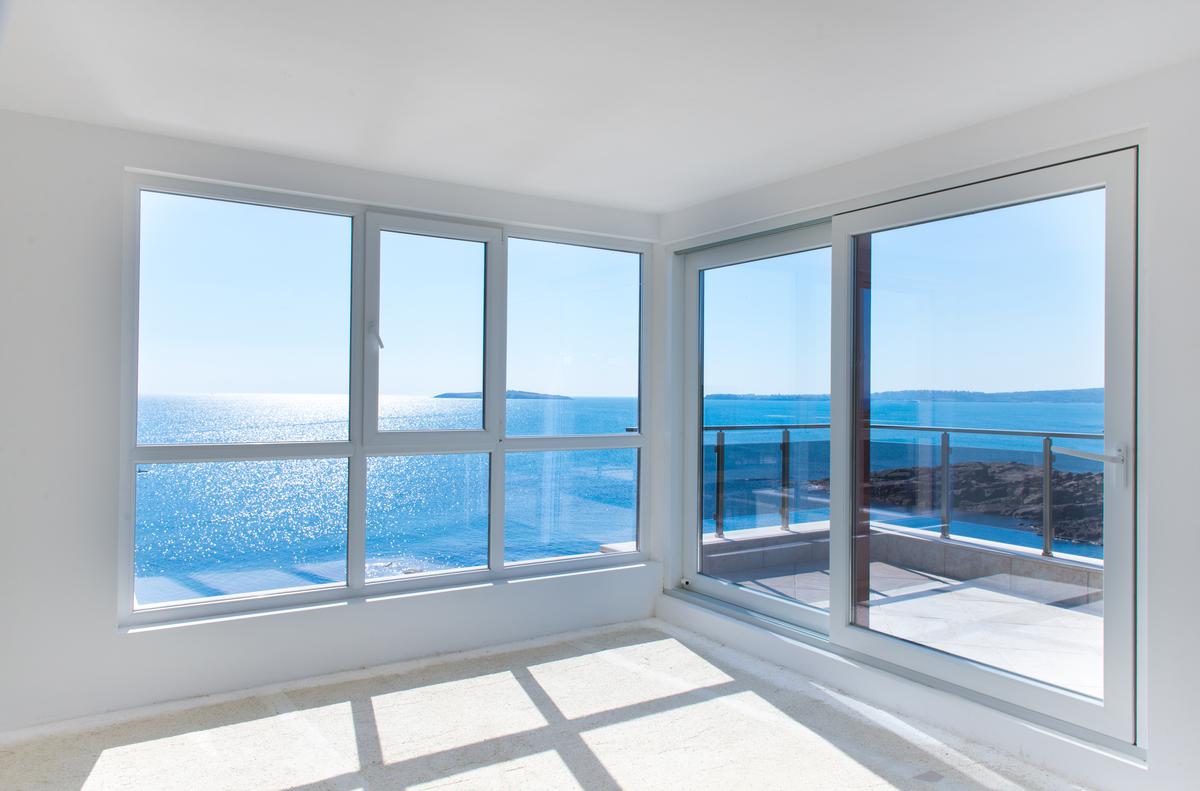
Final Thoughts
High-quality windows greatly enhance the comfort of your home. When you opt for premium windows, the glass, seals, and frames work together to retain heat during colder months and keep out heat in warmer months, ensuring your home feels steady no matter what’s happening outside.
The best windows not only improve energy efficiency but also create a more inviting minimize drafts, and allow your heating and cooling systems to operate more effectively. So, don’t treat your window replacements as just a cosmetic upgrade: they're a long-term investment in comfort, consistency, and a home that feels more enjoyable year-round.


comments